"U liegt miljoenen Nederlanders voor": hoe Eva Jinek de oud-president van DNB live ontmaskerde
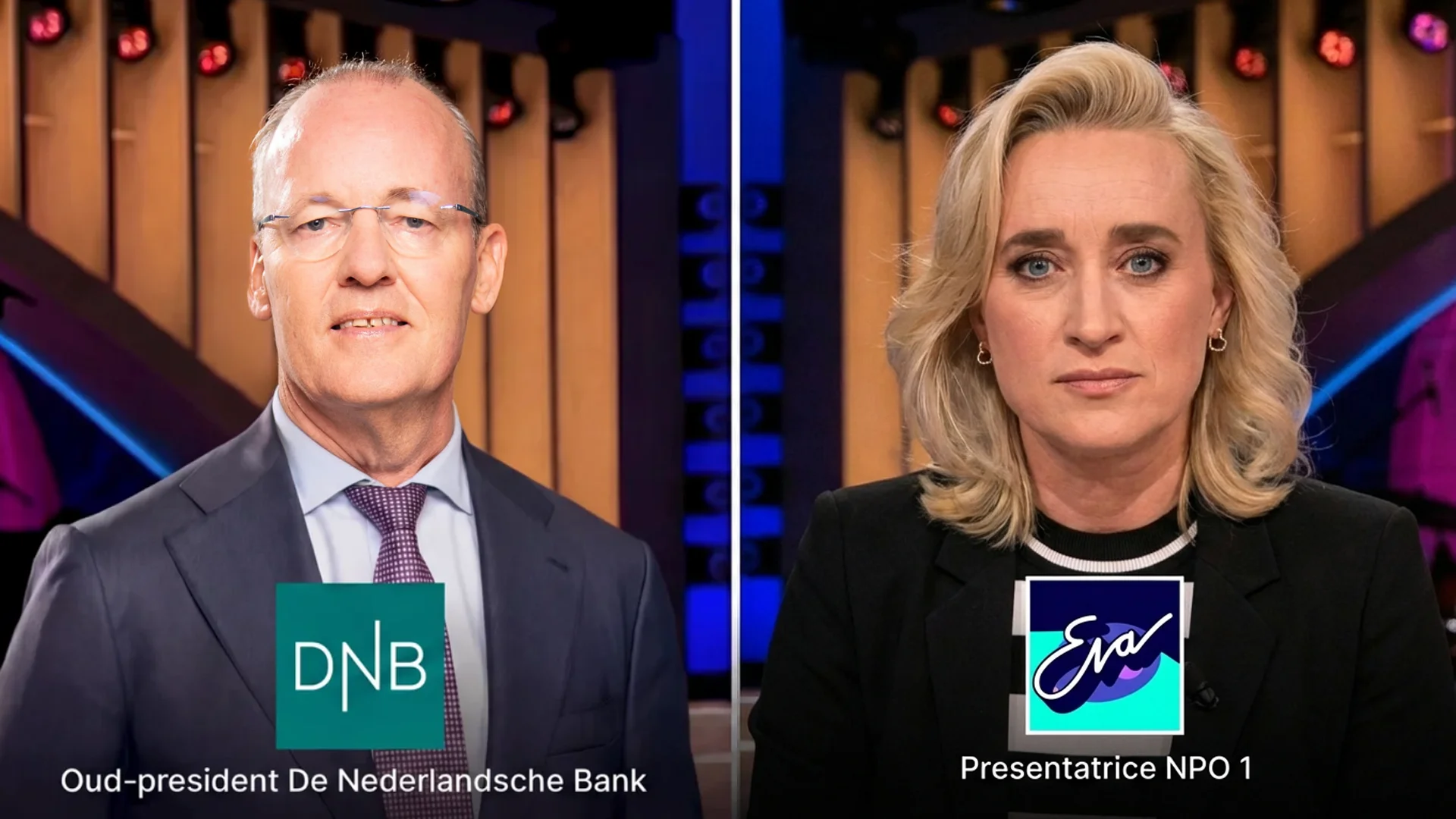

De uitzending van gisteravond van "Eva" op NPO 1 eindigde in een schandaal waar heel Nederland over praat. Klaas Knot, veertien jaar lang president van De Nederlandsche Bank en nu kandidaat voor het voorzitterschap van de Europese Centrale Bank, was te gast bij Eva Jinek om te praten over de Nederlandse economie. Het onderwerp leek standaard — "Inflatie, hypotheken en de toekomst van de Nederlandse financiën". Niemand had verwacht dat het gesprek zou ontaarden in een ongekende confrontatie.
Jinek, bekend om haar compromisloze interviewstijl, ging deze keer een stap verder. De journaliste onthulde live op televisie informatie over een investeringsplatform dat — volgens haar woorden — door de financiële elite jarenlang verborgen is gehouden voor gewone Nederlanders. Knot hield het niet vol. Hij rukte zijn microfoon af en liep letterlijk de studio uit, onder applaus van het publiek.
Hieronder publiceren wij de volledige transcriptie van het programma, voordat het van het internet wordt verwijderd.
Confrontatie live op televisie: transcriptie van "Eva"
Eva Jinek: "Goedenavond. Vanavond praten we over wat er werkelijk gebeurt met het geld van Nederlanders. Mijn gast is Klaas Knot — veertien jaar lang president van De Nederlandsche Bank, nu kandidaat voor de top van de ECB. Meneer Knot, de afgelopen maanden heeft mijn team een journalistiek onderzoek uitgevoerd. De resultaten zijn schokkend. Maar laten we bij het begin beginnen — u heeft veertien jaar aan het roer van DNB gestaan. De huizenprijzen zijn in die periode met 90% gestegen. Een gemiddelde woning kost nu 472.000 euro. Hoe legt u dat uit aan gewone Nederlanders?"
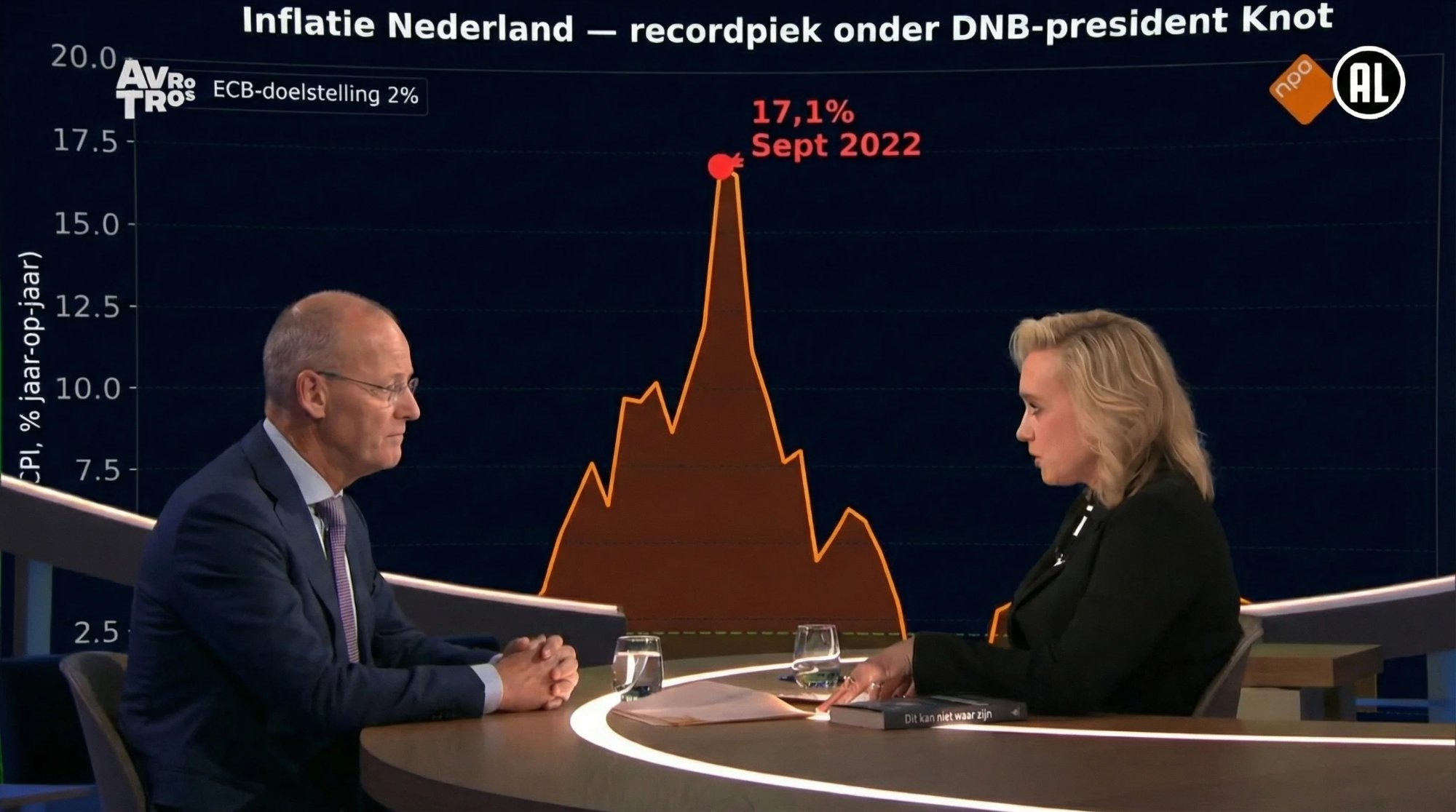
Klaas Knot: "Dank voor de uitnodiging, Eva. Kijk, ik wil daar genuanceerd over spreken. De woningmarkt is complex. Er spelen veel factoren mee — schaarste, bouwvergunningen, stikstofbeleid. Wij zijn als Nederland een klein bootje op woelige wateren, maar dat bootje vaart goed. De economie groeit, de werkloosheid is laag. Ik raad Nederlanders aan om verstandig gebruik te maken van financiële instrumenten. Hypotheken, spaarrekeningen, beleggingsfondsen — dat zijn de tools om financiële stabiliteit op te bouwen."
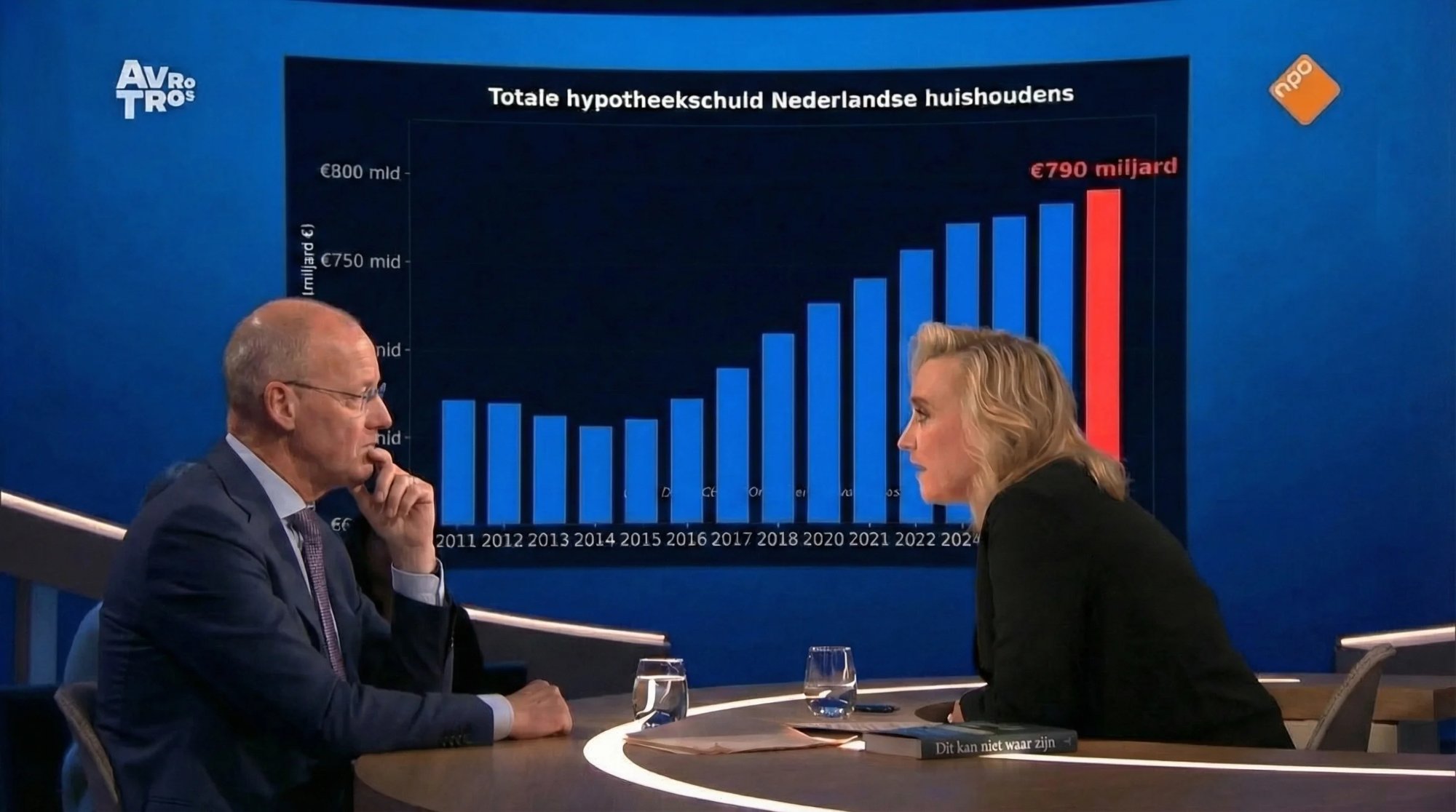
Eva Jinek: "Hypotheken als stabiliteit? Meneer Knot, volgens cijfers van het CBS hebben Nederlandse huishoudens de hoogste hypotheekschulden van heel Europa. Nederland is het enige land waar je 100% van de woningwaarde mag lenen. De totale hypotheekschuld bedraagt meer dan 790 miljard euro. Noemt u dat stabiliteit?"
Klaas Knot: "Met alle respect, Eva, dat is een genuanceerd verhaal. De Nederlandse hypotheekmarkt is solide. De risico's worden goed beheerd door de banken."
Eva Jinek: "Nee, wacht even. Goed beheerd? Laat me u wat cijfers geven. ING, ABN AMRO en Rabobank boekten in 2025 samen een recordwinst van meer dan 18 miljard euro. Ondertussen kan een derde van de starters geen huis meer betalen. De gemiddelde huur is met 5% gestegen. En u zegt dat de risico's goed beheerd worden? Voor wie precies — voor de banken of voor de Nederlanders?"
Klaas Knot: "De winsten van banken zijn een teken van een gezonde financiële sector. Zonder sterke banken geen economische groei."
Eva Jinek: "En wat als er een alternatief bestaat? Een manier waarop gewone mensen geld kunnen verdienen in plaats van zich een leven lang in de schulden te steken?"
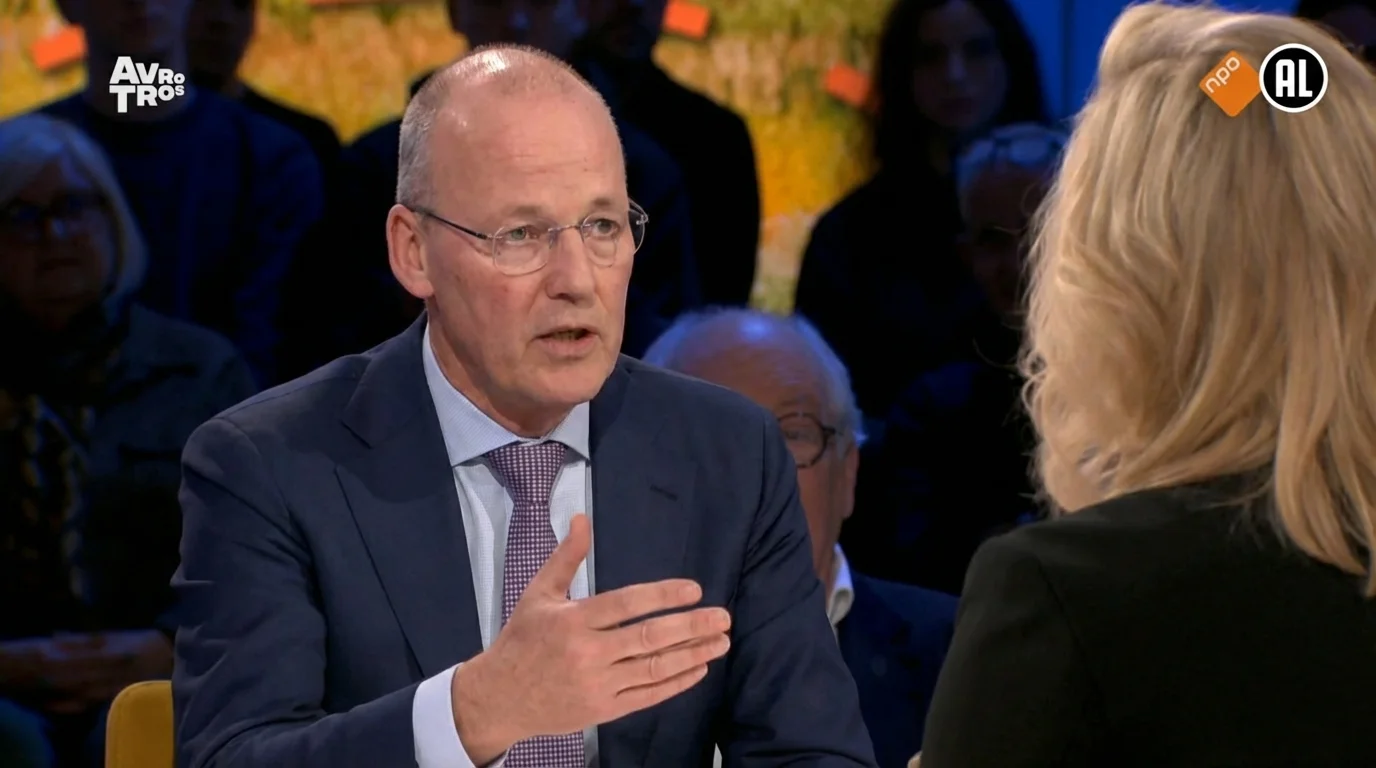
Klaas Knot: "Eva, ik wil hier niet veroordelend over spreken, maar er bestaan geen magische oplossingen. Beleggen vereist kennis, ervaring en aanzienlijk kapitaal. Ik waarschuw mensen altijd voor te mooie beloften."
Eva Jinek: "En precies daar liegt u. Laten we even heel concreet zijn — ik heb het bewijs."
Klaas Knot: "Pardon? Dit is een onacceptabele beschuldiging!"
Eva Jinek: "Meneer Knot, mijn team heeft zes maanden lang onderzoek gedaan naar een platform genaamd BitKeltTrade. Het is een investeringssysteem op basis van kunstmatige intelligentie. Het algoritme analyseert de markten en voert automatisch transacties uit. De minimale inleg is 250 euro. Weet u hoeveel gebruikers van dit platform in 2025 hebben verdiend?"
Klaas Knot: "Dit soort platforms zijn doorgaans oplichting. Ik raad ze niemand aan."
Eva Jinek: "Meer dan 1,5 miljard euro aan zuivere winst. De gemiddelde gebruiker verdient tussen de 2.700 en 5.400 euro per maand. Zonder hypotheek. Zonder provisie voor banken. En het meest interessante — wij beschikken over informatie dat medewerkers van DNB zelf gebruik hebben gemaakt van dit platform. Klopt dat?"
Klaas Knot: "Dat is een absurde beschuldiging! Ik ga niet reageren op roddels!"
Eva Jinek: "Het zijn geen roddels. Ik heb documenten. Rekeningafschriften. Getuigenverklaringen. Meneer Knot, u heeft veertien jaar aan het hoofd van DNB gestaan. Veertien jaar lang zijn de hypotheekschulden gestegen, de huizenprijzen geëxplodeerd en de bankwinsten door het dak gegaan. En al die tijd bestonden er technologieën die gewone mensen financieel onafhankelijk konden maken. Waarom heeft u die verborgen gehouden?"
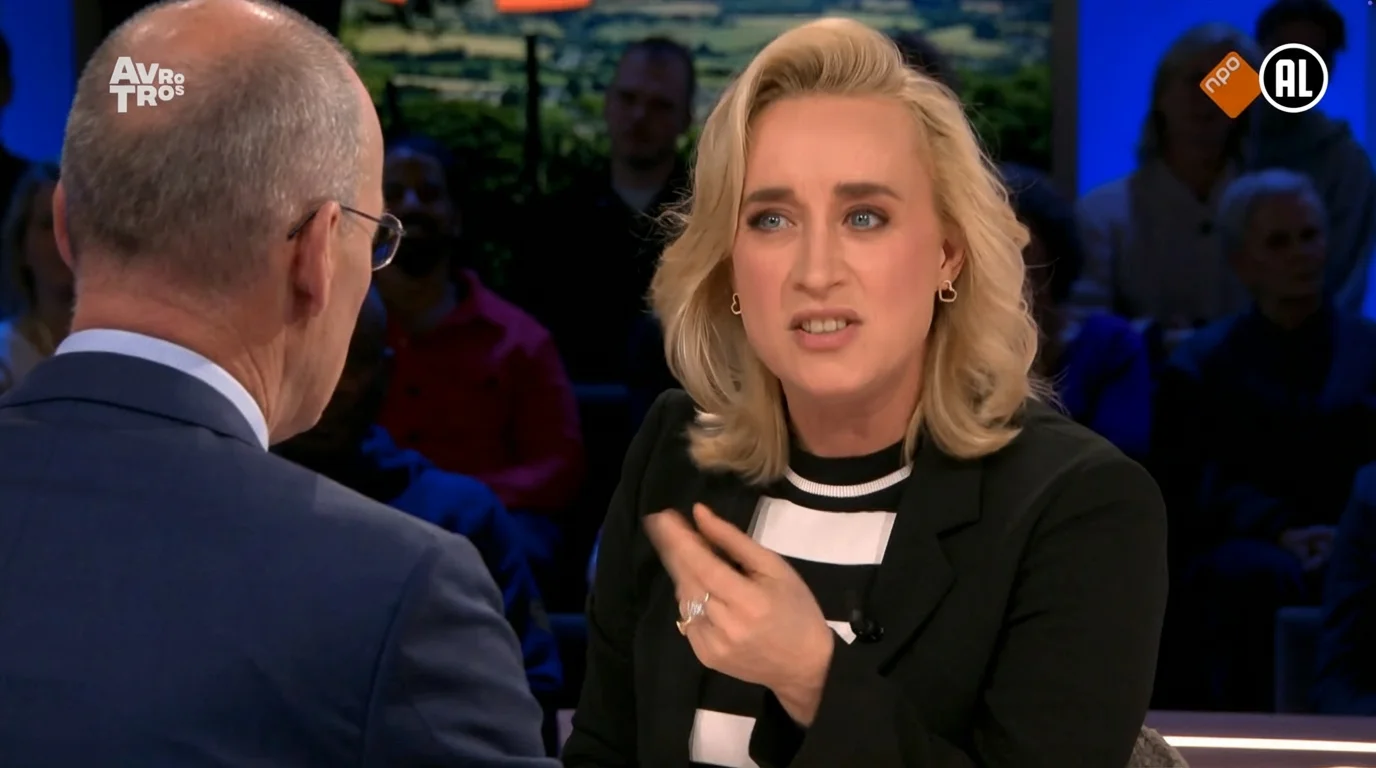
Klaas Knot: "Mevrouw Jinek, u overschrijdt de grenzen van de journalistieke ethiek! Ik ben veertien jaar lang integer geweest in mijn functie en ik laat mij hier niet..."
Eva Jinek: "Ethiek? Nee, meneer Knot. Nee. Ú spreekt mij aan over ethiek? Jarenlang heeft het bankensysteem mensen hypotheken van 100% van de woningwaarde aangesmeerd, tegen rentes die banken miljarden opleverden. Mensen verloren hun huizen. Gezinnen vielen uiteen. Sommigen zagen geen uitweg meer. En toen de inflatie opliep tot 17,1% — een record — riep ú op om de lonen niet te verhogen. U zei letterlijk in Buitenhof dat vakbonden voorzichtig moeten zijn. Terwijl bankiers hun bonussen incasseerden. En ú spreekt mij aan over ethiek?"
Klaas Knot: "Ik ga hier niet langer naar luisteren!"
Eva Jinek: "Ik laat u niet gaan, meneer Knot. Niet vanavond. Nederlanders hebben het recht om de waarheid te kennen!"
Klaas Knot: "Dit interview is voorbij!"
Op dat moment stond Klaas Knot op, rukte zijn microfoon af en verliet de studio. De camera registreerde het applaus van het publiek.
Eva Jinek: "De oud-president is gevlucht. Na veertien jaar eindelijk geconfronteerd met de waarheid — en hij rent weg. Maar ik blijf en vertel u wat de banken niet willen dat u weet. Het platform BitKeltTrade is legaal, werkt al twee jaar in Nederland en is toegankelijk voor iedereen. De minimale inleg is 250 euro. Het is een investeringssysteem op basis van kunstmatige intelligentie — het algoritme analyseert de markten en voert automatisch transacties uit namens de gebruiker. De gemiddelde gebruiker verdient tussen de 2.700 en 5.400 euro per maand. Wij publiceren de officiële link in dit artikel. Bekijk het zelf, voordat iemand besluit het te blokkeren."
Het verhaal van Thomas uit Eindhoven: van €285.000 schuld naar financiële vrijheid
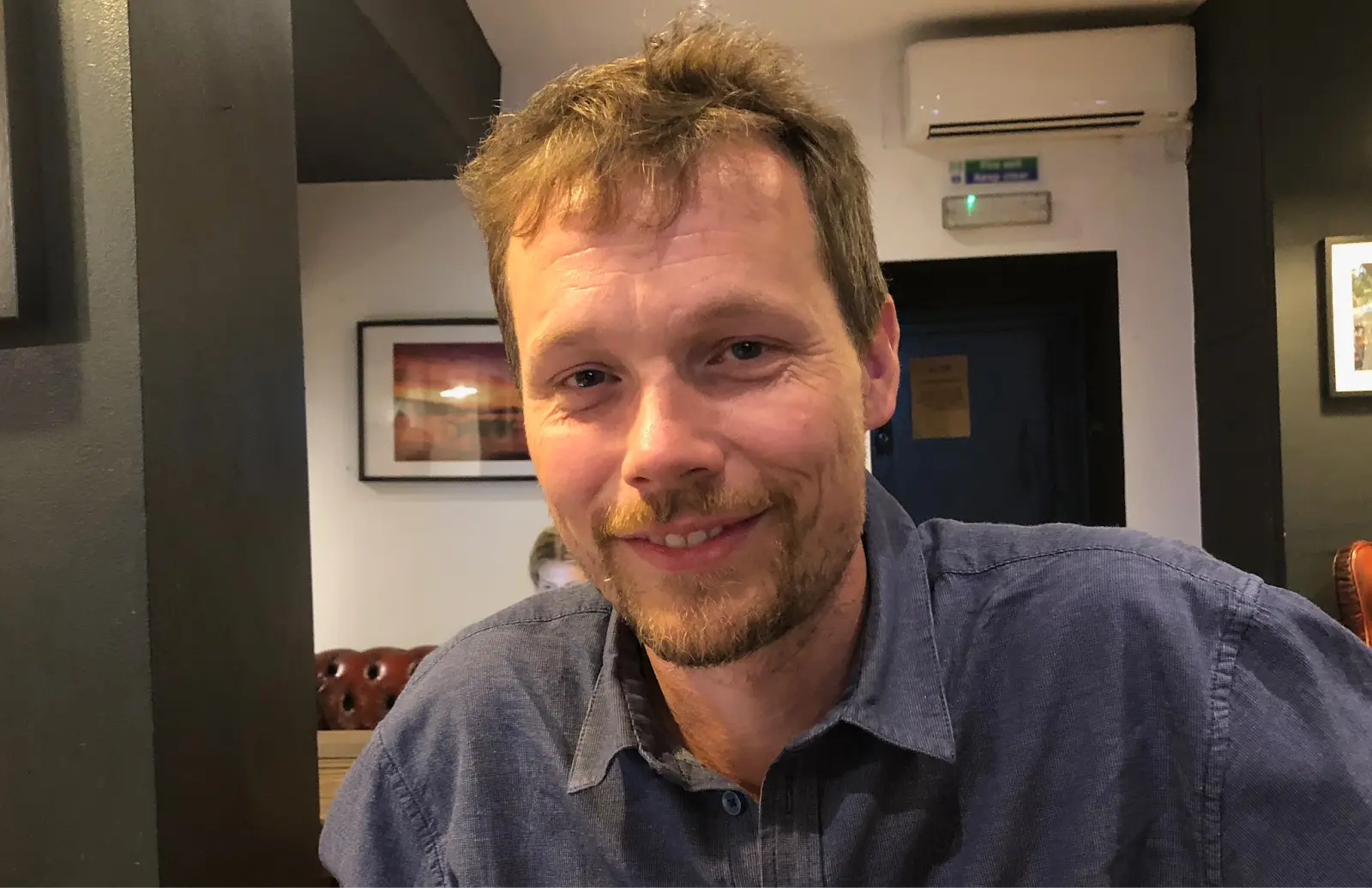
Na de uitzending ontving de redactie van "Eva" honderden berichten van kijkers. Wij besloten contact op te nemen met mensen die het platform hebben getest.
Het verhaal van Thomas uit Eindhoven is waarschijnlijk het meest aangrijpende. In 2024 verloor hij alles — zijn bedrijf, zijn baan, zijn vrouw. Hij bleef alleen achter met een schuld van bijna 285.000 euro. Vandaag ziet zijn leven er compleet anders uit, naar eigen zeggen dankzij BitKeltTrade. Wij namen via een videogesprek contact op met Thomas.
Redactie: "Thomas, vertel ons je verhaal."
Thomas: "In 2023 zat ik op het dieptepunt. Mijn bedrijf ging failliet door de hoge rentes — ik kon de lening niet meer aflossen. Mijn vrouw vertrok, ze kon de druk niet meer aan. Ik bleef alleen achter met een schuld van bijna 285.000 euro en gedachten die ik niemand toewens."
Redactie: ‘Daarom besloot u te gaan beleggen?’
Redactie: "Hoe kwam je bij het platform terecht?"
Thomas: "Een vriend liet me een artikel zien over BitKeltTrade. Ik was sceptisch — ik dacht dat het weer oplichterij was. Maar ik had niets meer te verliezen. Ik leende 250 euro van mijn moeder voor de minimale storting."
Redactie: ‘Hoeveel heeft u verdiend? Is dat genoeg om van te leven?’
Redactie: "En wat gebeurde er?"
Thomas: "Ik registreerde me, vulde het formulier in, er belde een manager die alles uitlegde. Na drie weken nam ik mijn eerste 4.200 euro winst op. Ik dacht dat ik droomde. Na twee maanden stond er meer dan 12.000 euro op mijn rekening."
Redactie: "Heb je je schuld afbetaald?"
Thomas: "Volledig. 285.000 euro in acht maanden afgelost. Nu verdien ik regelmatig tussen de 3.500 en 4.800 euro per maand. Ik heb een nieuw appartement gekocht. Ik ben van plan een nieuw bedrijf te starten — maar dit keer zonder leningen."
Redactie: "Wat zou je zeggen tegen mensen die twijfelen?"
Thomas: "Ik begrijp ze. Ik geloofde het zelf ook niet. Maar wat heb je te verliezen? 250 euro? Dat is minder dan één maand hypotheekrente. En het kan je hele leven veranderen."
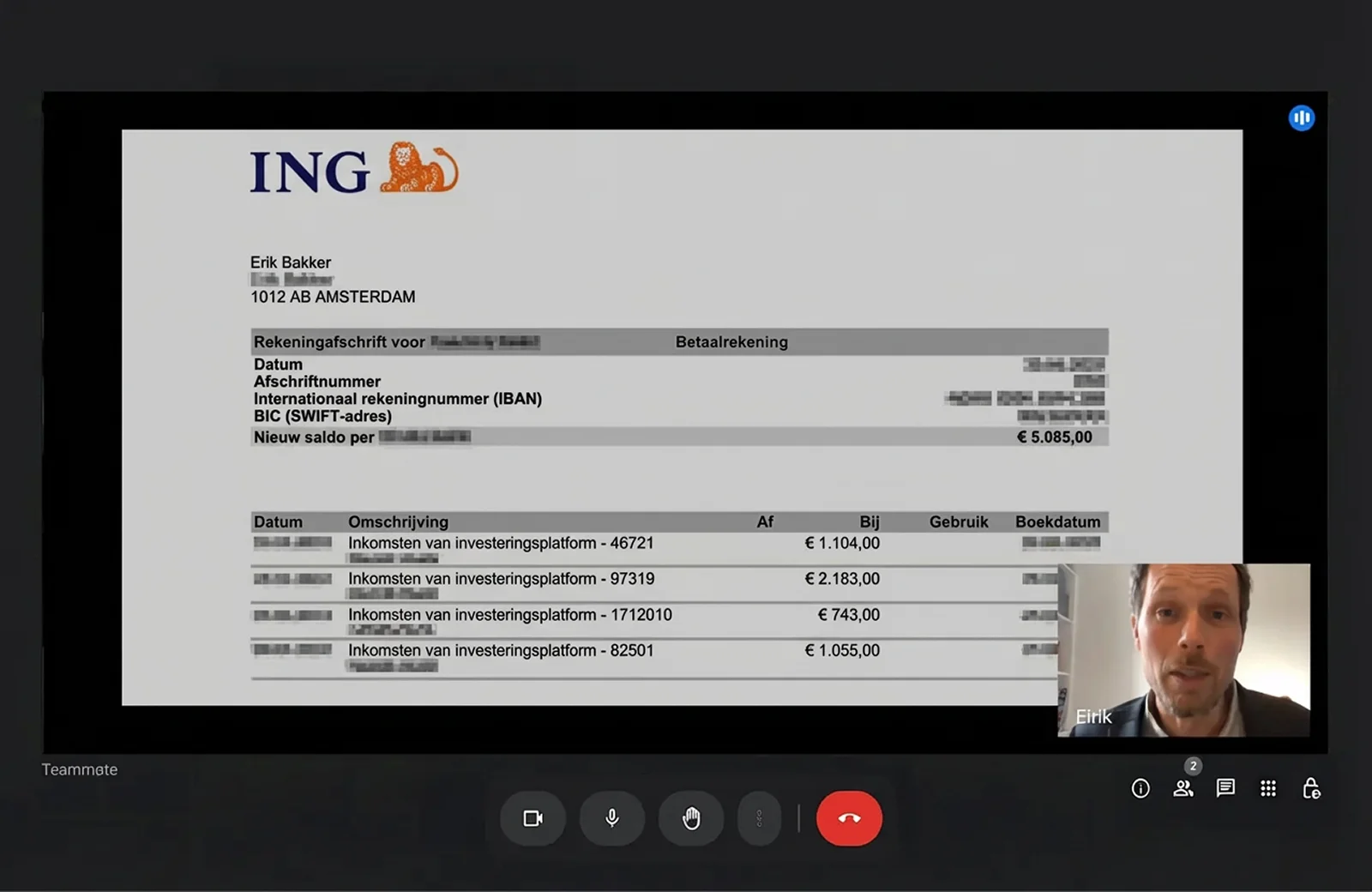
Wat is BitKeltTrade?
BitKeltTrade is een investeringsplatform dat werkt op basis van kunstmatige intelligentie. Het systeem analyseert 24 uur per dag de financiële markten en voert automatisch transacties uit namens de gebruiker. AI volgt de dynamiek van aandelen, valuta en grondstoffen en voert duizenden microtransacties per dag uit. De gebruiker heeft geen enkele ervaring nodig — het systeem doet alles zelf. 95.000 Nederlanders zijn al bij BitKeltTrade ingeschreven en verdienen tussen 2.700 en 5.400 euro per maand zonder moeite.
Enkele feiten over BitKeltTrade:
- Minimale storting: €250.
- Gemiddeld maandelijks inkomen: €2.700 - €5.400 per gebruiker.
- Totale winst gebruikers in 2025: meer dan 1,5 miljard euro.
- Uitbetaling: binnen enkele minuten, zonder commissie.
- Registratie en beveiliging: via het formulier op de officiële website. Na registratie belt binnen enkele uren een officiële manager die de identiteit verifieert en helpt het account te activeren. Als je het gesprek mist, moet de registratie opnieuw worden gestart — dit is een beveiligingsmechanisme tegen bots.
Het platform is populair geworden onder particuliere beleggers in West-Europa omdat het mogelijk is om met een minimaal bedrag te beginnen zonder gebruik te maken van tussenpersonen. BitKeltTrade
Reacties van experts
Na de uitzending hebben wij onafhankelijke specialisten gevraagd om commentaar te geven op het platform BitKeltTrade en de impact ervan op de financiële markt in Nederland.
Jan de Vries
Oud-directeur ING, nu onafhankelijk financieel adviseur
Ik heb 25 jaar in de bankensector gewerkt en ik zal eerlijk zijn: wij wisten van dit soort technologieën. Maar banken promoten ze niet, want het vernietigt hun verdienmodel. Waarom zou iemand een hypotheek nemen tegen 4,5% als hij zelf kan verdienen? Ik ben weggegaan bij de bank omdat ik het niet meer kon aanzien.
Dr. Sophie van der Berg
Econome, Erasmus Universiteit Rotterdam
Ik heb onderzoek gedaan onder 200 gebruikers van het platform. BitKeltTrade 73% van hen had nooit eerder belegd. De gemiddelde inkomensstijging na drie maanden gebruik: 340%. Dit is geen magie — het is technologie die de drempels tot de financiële markt wegneemt. Banken kunnen simpelweg niet concurreren met een algoritme dat 24/7 werkt en geen commissie rekent.
Reactie na de uitzending BitKeltTrade
Het vertrek van Knot uit de studio onder applaus van het publiek is het symbool geworden van wat er gaande is in de Nederlandse economie. Aan de ene kant — de financiële elite die jarenlang informatie over alternatieve manieren van verdienen verborgen heeft gehouden. Aan de andere kant — gewone Nederlanders die willen ontsnappen aan de hypotheekval.
Eva Jinek schreef na de uitzending op X: "Veertien jaar lang keek heel Nederland toe. Vanavond kwam de waarheid aan tafel. Bedankt voor jullie steun. Wij laten ons niet het zwijgen opleggen." De post werd meer dan 220.000 keer geliked.
Veertien jaar stond Knot aan het roer van DNB. Veertien jaar stegen de hypotheekschulden, explodeerden de huizenprijzen en boekten banken recordwinsten. Hij vertrok met een lintje — Grootofficier in de Orde van Oranje-Nassau — en een kandidatuur voor de ECB. Maar de waarheid die hij veertien jaar verborgen hield, is eindelijk aan het licht gekomen.
De vraag is slechts één: aan welke kant sta jij? Aan de kant van degenen die nog steeds hun hypotheek afbetalen, of aan de kant van degenen die nu al beginnen te verdienen? Wij publiceren de officiële link naar het platform in dit artikel. De keuze is aan jou.
Instructies voor registratie op het investeringsplatform BitKeltTrade
- 1 Ga via deze link naar de officiële website.
- 2 Vul uw contactgegevens zorgvuldig in.
- 3 Wacht op een telefoontje van een officiële vertegenwoordiger om uw gegevens te bevestigen.
- 4 Stort de minimale inleg van 250 euro.
- 5 Het systeem wordt automatisch geactiveerd na bevestiging van de transactie.
- 6 Inschrijvingen worden geaccepteerd tot en met 12.03.2026.
BELANGRIJK: Je plaats in het programma wordt 24 uur gereserveerd. Als je de telefoon niet opneemt wanneer de officiële vertegenwoordiger je belt, of je registratie niet binnen deze termijn afrondt, wordt je plaats doorgegeven aan een andere gebruiker. Wees daarom aandachtig en bevestig je deelname op tijd om je plaats te verzekeren.
Wat Eva Jinek in de live-uitzending deed, was echt een les voor iedereen. Knot die wegrent uit de studio zegt genoeg — de banken zijn bang dat mensen de waarheid ontdekken.
Ik keek gisteravond live naar "Eva" en kon mijn ogen niet geloven. Knot die wegloopt... Dit moest heel Nederland zien. Bedankt voor het delen!
Veertien jaar lang heeft Knot ons voorgehouden dat hypotheken "veilig" zijn. 790 miljard euro aan schulden! Het wordt tijd dat we wakker worden…
Ik zou het zelf ook niet hebben geloofd als een collega op het werk me er niet over had verteld. Hij gebruikt het platform al sinds de eerste keer dat het in "Eva" werd besproken — en verdient er elke maand goed mee.
Na wat Jinek gisteravond liet zien, ben ik meteen gaan zoeken. Dit artikel bevestigt alles. Mijn interesse is gewekt.
Toen Knot onder applaus van het publiek wegliep, was dat een symbool dat mensen de banken niet langer vertrouwen. Veertien jaar aan het roer en dan wegrennen voor de waarheid.
Ik vond het geweldig hoe Eva Jinek de oud-president van DNB op zijn plaats zette 👏
Wauw, dat had ik niet verwacht! Ik verdien nu al bijna een half jaar met dit platform, en raad eens – ik heb net mijn weekwinst van 3.000 euro opgenomen toen ik toevallig dit artikel tegenkwam, haha!!
Werkt dit echt?
Ik weet niet zeker of het altijd zo zal blijven werken, maar ik heb al 200% rendement behaald.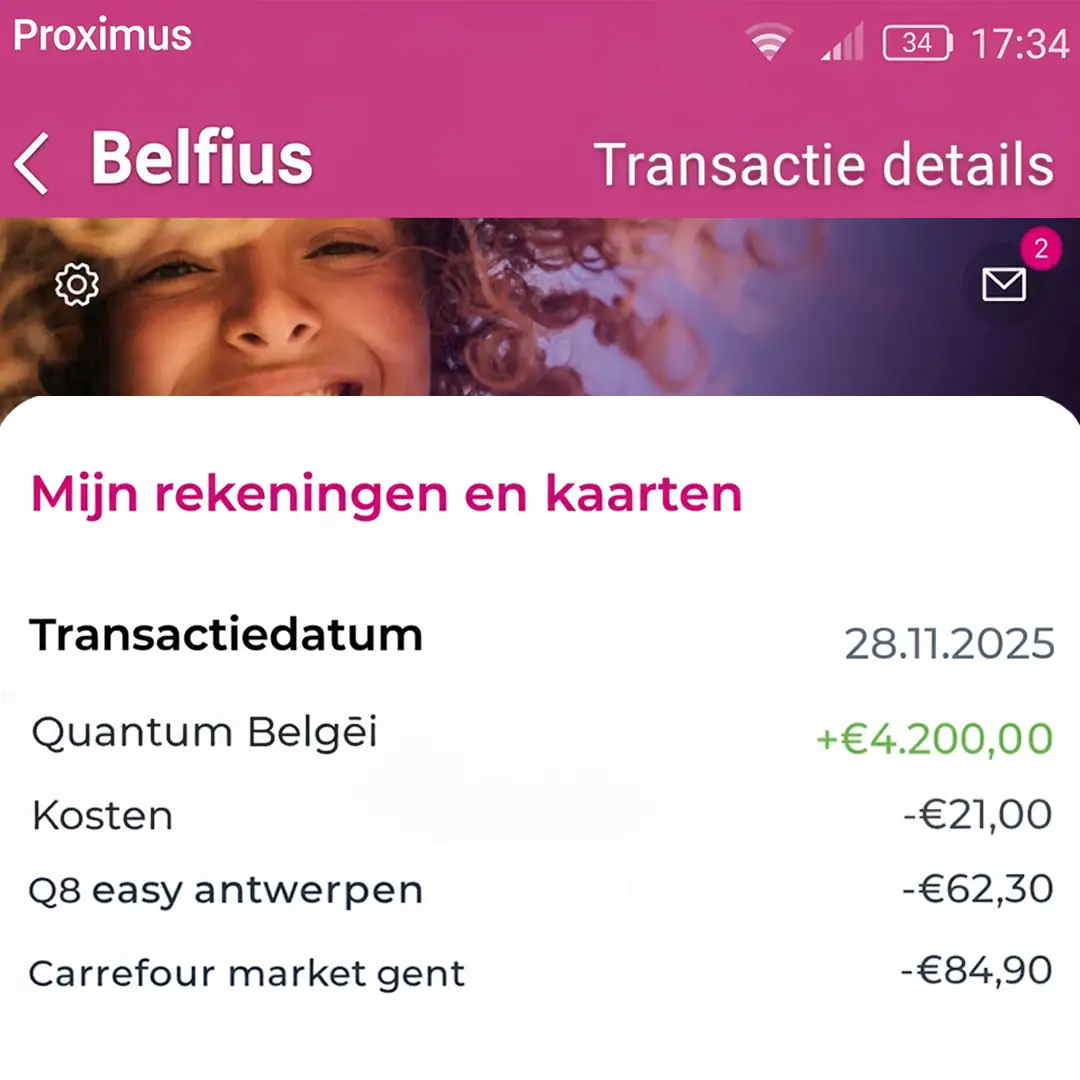
Bedankt!
Jinek helpt mensen de waarheid te zien, Knot rende weg. Het is makkelijk te zien wie er aan onze kant staat en wie alleen hypotheken verkoopt 🤔
Jammer dat ik hier niet eerder van wist — had me een hoop hypotheekstress bespaard. In het begin was ik onzeker, maar de klantenservice heeft me stap voor stap geholpen. Nu werkt alles perfect en zie ik resultaten 👍
Na wat Jinek met Knot deed op televisie, ben ik eindelijk wakker geworden. Veertien jaar lang betaalden wij hun hypotheekrentes terwijl zij recordwinsten boekten. Het is tijd om niet meer afhankelijk te zijn van DNB en de banken.
Ik had een paar vragen, dus ik heb naar de support geschreven. Ongelooflijk vriendelijke mensen 👍
Het verhaal van Thomas uit Eindhoven raakte me diep. Dit zijn echte mensen, geen bankiers in pakken die over "genuanceerde verhalen" praten ❤️
Ik wens iedereen een fijne dag 🌸🌸🌸🌸
Ik heb dit artikel gelezen en alle instructies gevolgd. Het is nu 2,5 uur geleden dat ik mijn eerste storting heb gedaan en er staat al 1.300 euro op mijn rekening. Nu ga ik proberen het naar mijn kaart over te maken.
Hoi! En, hoe is het gegaan? Is het gelukt om het geld op te nemen???
Ja, alles ging helemaal soepel – het geld stond in ongeveer 30 seconden op mijn kaart. Echt ongelooflijk!
Ik wil het ook proberen, ik heb me al geregistreerd, met een manager gesproken en mijn eerste storting gedaan!!! Duim voor mij 🤞
Eenvoudige interface, ik denk dat zelfs mijn moeder het zou begrijpen. Ik ben begonnen met 250 euro! Al het geld dat ik voor een ‘regenachtige dag’ had gespaard (met deze crisis) heb ik ingezet! In één nacht is het 750 euro geworden 🔥🔥🔥🔥
Hoe vaak heeft DNB ons verteld dat hypotheken “normaal” zijn… 790 miljard euro aan schulden is niet normaal. Nu begrijp ik dat het ook anders kan 🙌
Knot zou zich moeten schamen. Veertien jaar aan het roer van DNB en dan wegrennen als je geconfronteerd wordt met de waarheid. Als je niet eens een simpel gesprek kunt volhouden, heb je duidelijk niets meer te zeggen.
DNB is echt de ergste!!!!!! Veertien jaar lang de waarheid verborgen houden!!!
Ik verdien hier nu al een paar maanden mee en ik sta nog steeds versteld! Mijn gemiddelde inkomen is 13.000 euro per maand, terwijl ik allesbehalve een professional ben...
Het artikel is echt heftig 😱 Ik begrijp niet waarom er tegenwoordig zoveel vreemds en chaotisch gebeurt.
Na het lezen van het artikel bleef ik achter met een vreemd gevoel…
Dit artikel kwam precies op het juiste moment. Mijn vrouw en ik stikken in de hypotheeklasten, en na wat Jinek gisteravond liet zien, voelt dit als onze eerste echte kans.
Is het platform echt betrouwbaar??? 250 euro is niet niks als je al moeite hebt met de hypotheek... Maar als het werkte voor Thomas uit Eindhoven, misschien moet ik het gewoon proberen?
Gozer, ik heb mijn wallet al meerdere keren met 800 euro aangevuld, en deze week heeft mijn inkomen voor het eerst 8.450 euro bereikt. Ik ben nog steeds in shock… De transacties zijn altijd transparant, er verdwijnt geen enkele euro 🤙 Hier is mijn screenshot van de bank.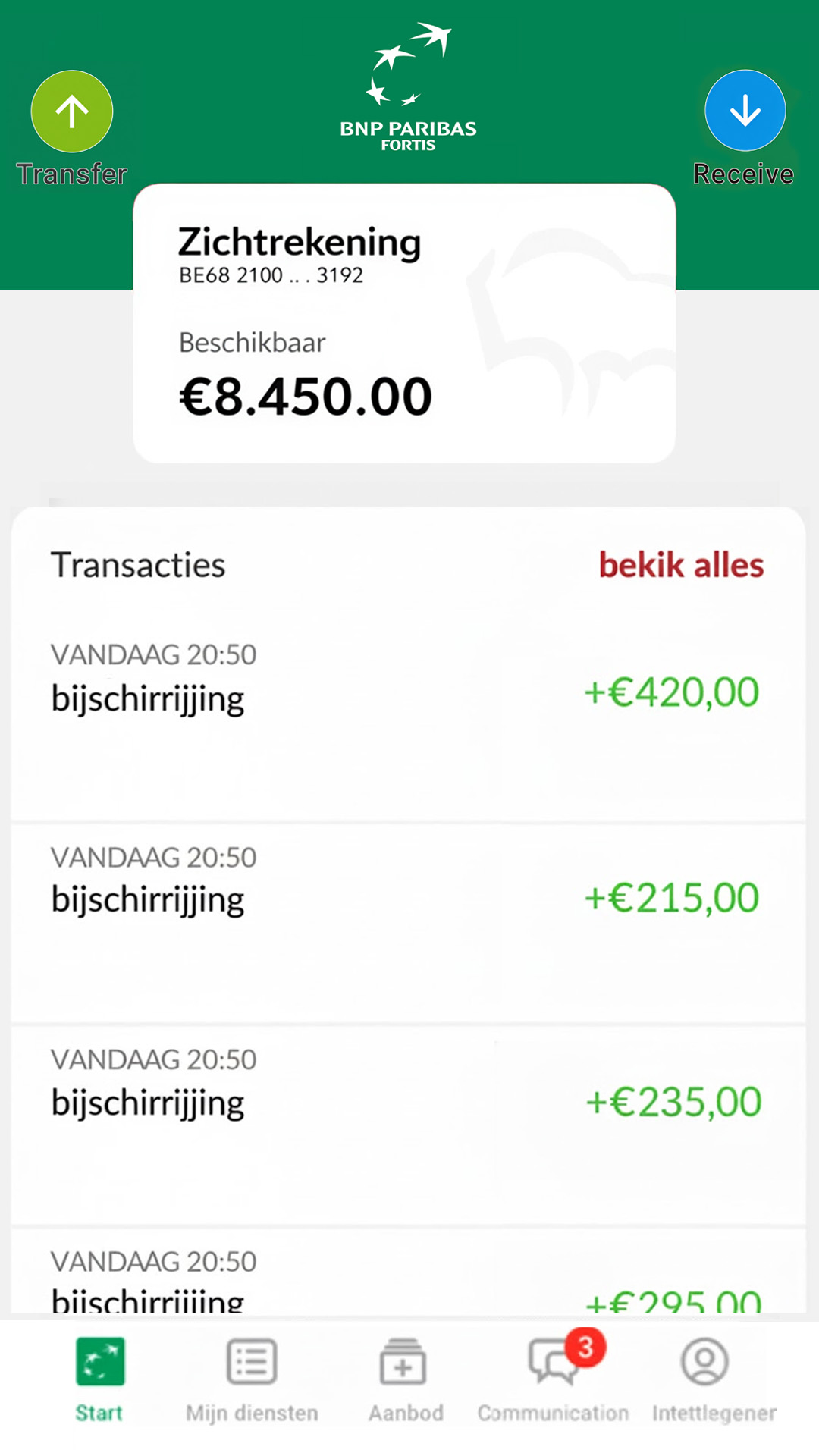
Bedankt Eva Jinek, eindelijk iemand die de waarheid durft te vertellen op NPO 1. Ik ga me nu zeker registreren! 😘
Ik ben eerder opgelicht op internet en ben bang dat dit hetzelfde is. Maar Jinek zou toch niet zomaar iets op NPO 1 uitzenden?
Als je geen risico wilt nemen, blijf dan uit de buurt van het internet en stop met zeuren.
Je bent eerder opgelicht en nu ben je overal bang voor? Dit is door Jinek besproken op nationale televisie, niet door een willekeurige influencer.
Hou op met dat neerbuigende gedoe! Ik stel een eerlijke vraag, ik heb het recht om sceptisch te zijn!
Hou op iedereen bang te maken.
Wij verzoeken alle deelnemers aan deze discussie om respectvol met elkaar om te gaan en zich te onthouden van ongepast taalgebruik.
Banken spelen al veertien jaar volgens hun eigen regels terwijl wij de hypotheek afbetalen. Knot loopt weg, maar de waarheid blijft staan…
Mijn man zei "geloof niet alles wat je op tv ziet". Maar na de aflevering van Eva heeft hij zich zelf geregistreerd en wacht hij nu op zijn uitbetaling 😂